DONALD TRUMP RESPONDS TO POPE LEO XIV AFTER VATICAN MESSAGE ON WAR — THE POPE’S CALM REPLY DRAWS GLOBAL ATTENTION
An unexpected exchange between Donald Trump and Pope Leo XIV has drawn worldwide attention after comments about war, diplomacy, and global responsibility sparked a wave of international discussion. What began as a general message from the Vatican calling for peace quickly evolved into a broader debate about leadership, political rhetoric, and the moral role of global institutions during times of conflict.
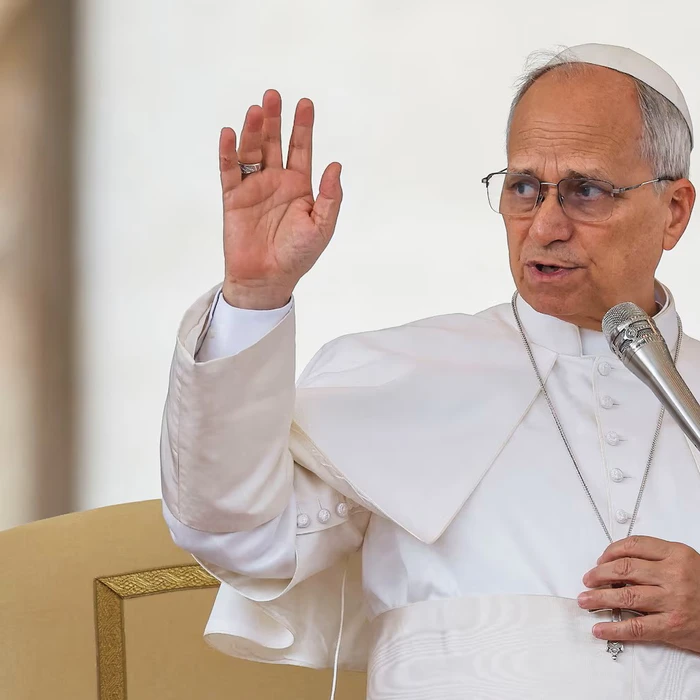
The situation began earlier this week when Pope Leo XIV delivered a message during a gathering at the Vatican City. Speaking before diplomats and religious leaders, the pontiff emphasized the importance of restraint, dialogue, and humanitarian responsibility as global tensions continue to rise in several regions.
Without mentioning specific political figures, the Pope warned that strong rhetoric from world leaders can sometimes increase divisions during already fragile geopolitical situations. He encouraged governments to prioritize diplomacy and urged leaders to remember the human consequences of war.
“Peace is not built through louder voices or greater threats,” the Pope said during the address. “Peace is built through patience, wisdom, and the courage to step back from confrontation.”

The message quickly circulated around the world after excerpts were posted by international media outlets and shared widely on platforms such as YouTube and X. Political commentators soon began debating whether the remarks were indirectly referencing recent statements by several global leaders.
Within hours, Trump responded during a public appearance where he was asked about the Vatican’s message.
The former U.S. president acknowledged the Pope’s comments but offered a different perspective on global leadership. Trump argued that strong leadership and decisive action are sometimes necessary to prevent conflicts from escalating further.
“Everyone wants peace,” Trump said during the remarks. “But peace also requires strength. If countries believe there are no consequences for aggression, that can create even more instability.”
Trump’s comments quickly became part of the ongoing international conversation surrounding the Pope’s earlier speech. Supporters of the former president praised his emphasis on strong deterrence, arguing that firm leadership can discourage hostile actions by rival powers.
Others interpreted the response as a direct contrast to the Vatican’s message, which focused more heavily on dialogue and diplomatic restraint.
Later the same day, reporters asked Pope Leo XIV about Trump’s remarks during a brief press interaction following a religious service in Vatican City.
The pontiff responded calmly, reiterating the central theme of his earlier address while avoiding any direct confrontation.
“Every leader speaks according to their responsibility and perspective,” the Pope said. “My responsibility is to remind the world that peace must always remain the ultimate goal.”
He continued by emphasizing that diplomacy, humanitarian concern, and mutual respect should guide international decision-making, particularly during periods of uncertainty.
The measured response immediately attracted attention from international observers, many of whom noted the Pope’s careful tone.
Diplomacy experts pointed out that religious leaders often frame global issues in moral or humanitarian terms rather than strategic or political ones. In contrast, political leaders frequently emphasize security and national interests when discussing international conflicts.
This difference in perspective, analysts say, is not unusual.
“The Vatican traditionally approaches global tensions from a moral and humanitarian standpoint,” one international relations scholar explained. “Political leaders, meanwhile, often focus on strategic considerations such as deterrence and national security.”
The exchange between Trump and the Pope therefore highlighted two distinct ways of discussing global stability.
Throughout modern history, the Vatican has frequently issued calls for peace during times of conflict. The Catholic Church, which represents more than a billion believers worldwide through the Catholic Church, often uses its platform to advocate for humanitarian protection and conflict resolution.
Popes have historically spoken about wars, refugee crises, and diplomatic tensions, encouraging governments to pursue peaceful solutions whenever possible.
At the same time, political leaders sometimes respond to such appeals with their own interpretations of how peace can be achieved.
The discussion sparked by the latest exchange reflects the broader global debate about how nations should respond to rising geopolitical tensions.
Some policymakers argue that strong military alliances and clear consequences for aggression help maintain stability. Others emphasize diplomacy, international cooperation, and humanitarian priorities.
Public reaction to the exchange has been wide-ranging.
Some observers praised the Pope’s calm response, describing it as a reminder that global leaders should remain focused on the human costs of war. Others expressed support for Trump’s argument that strength can sometimes serve as a deterrent against conflict.
The discussion also illustrates how quickly modern political conversations can spread worldwide.
Within hours of the initial remarks, millions of people were watching clips, sharing commentary, and debating the exchange online.
Media analysts say such moments demonstrate how interactions between political figures and religious leaders can capture global attention, particularly when they touch on fundamental questions about war and peace.
Despite the debate, both figures ultimately emphasized a shared goal: preventing large-scale conflict and protecting human lives.
While their approaches may differ, the conversation underscores the complexity of modern international relations.
As geopolitical tensions continue to shape global politics, voices from both political leadership and moral institutions are likely to remain part of the ongoing dialogue about how the world can move toward greater stability.
For now, the calm tone of the Vatican’s response has ensured that the exchange will remain part of a broader conversation about diplomacy, leadership, and the responsibilities carried by those who influence global affairs.
