In a dramatic scenario outlined in a widely circulated political analysis video, federal law enforcement officers are depicted escorting a former U.S. president out of the White House in the early hours of the morning following a Senate conviction.
According to the video’s narrative, the operation began at precisely 3:47 a.m., a time chosen to minimize public disruption and avoid mass demonstrations.
The account describes U.S. marshals and senior Secret Service officials entering the West Wing with formal documentation authorizing the enforcement of a Senate judgment.
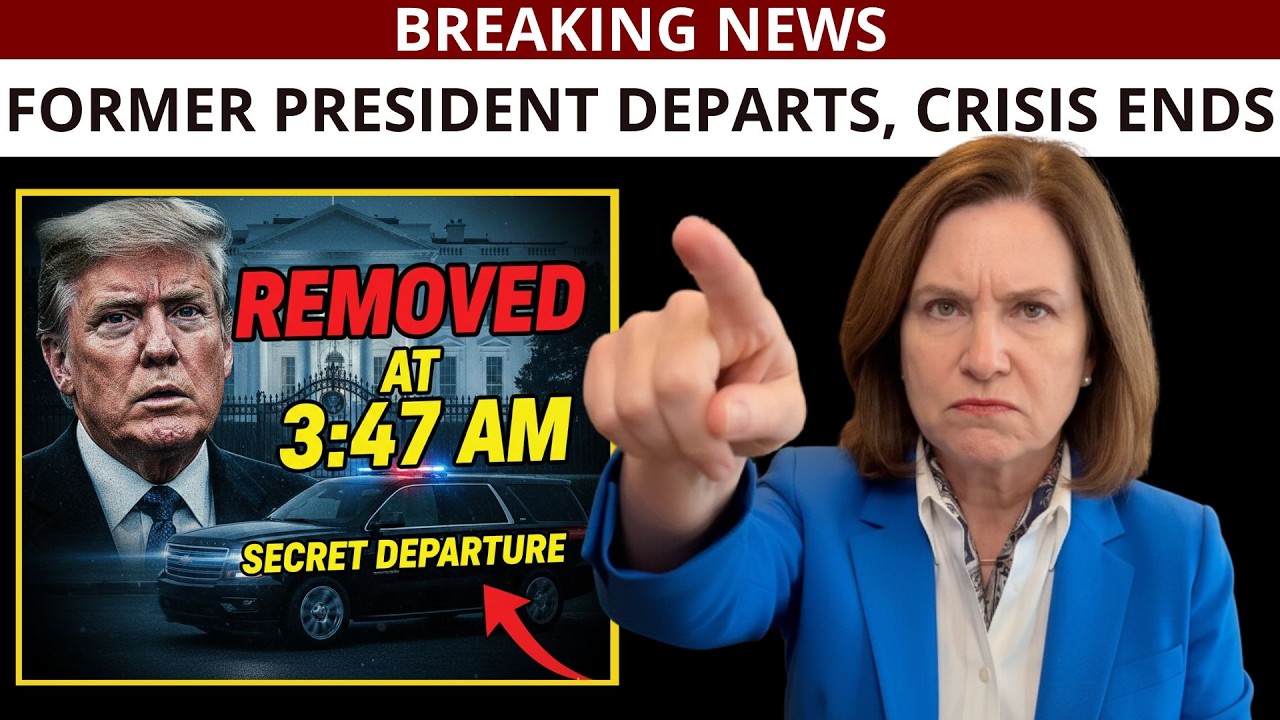
The former president, portrayed as defiant in the final moments, is shown refusing to concede legitimacy to the conviction.
In the dramatized retelling, a lead federal marshal calmly informs him that the Senate has exercised its constitutional authority and that the order is final.
The video emphasizes that this moment would represent the first enforced physical removal of a president from the White House in American history.
Legal scholars interviewed in the segment explain that impeachment and conviction by the Senate are political processes grounded in constitutional law.
Once a conviction is finalized, they argue, the individual immediately loses lawful authority to occupy the office.
The video underscores that the Constitution does not require voluntary compliance for a transfer of power to occur.
Instead, enforcement mechanisms ultimately rest with federal institutions sworn to uphold constitutional order.
A central focus of the narrative is the role of the Secret Service during the confrontation.
The Secret Service director, as portrayed, reminds agents that their oath is to the Constitution rather than to any individual officeholder.
Following the conviction, protective authority shifts away from the former president and toward the office of the presidency itself.
The video describes a visible reduction in the former president’s security detail as agents quietly step back.
This moment is presented as symbolic, signaling the transfer of institutional loyalty rather than personal allegiance.
As tensions rise, federal marshals reportedly enter the Oval Office to ensure compliance with the removal order.
The confrontation is said to last approximately sixteen minutes, though no physical force is used.
The former president is depicted voicing objections and declaring the process illegitimate.
Despite his protests, he ultimately agrees to leave under formal escort.
At 4:03 a.m., according to the timeline presented, he exits the Oval Office for the final time.
He is then transported away from the White House in a standard government SUV rather than the presidential limousine.
The choice of vehicle is highlighted as a powerful visual marker of lost authority.
Moments later, the video claims, preparations begin for the arrival of the new president.
The incoming leader is shown entering the White House shortly after dawn.
An executive order restoring normal government operations is signed within hours.
In an address to the nation, the new president pledges stability, continuity, and national unity.
He declares that the constitutional crisis, as framed in the video, has come to an end.
Major news networks around the world are described as interrupting regular programming to cover the unprecedented transition.
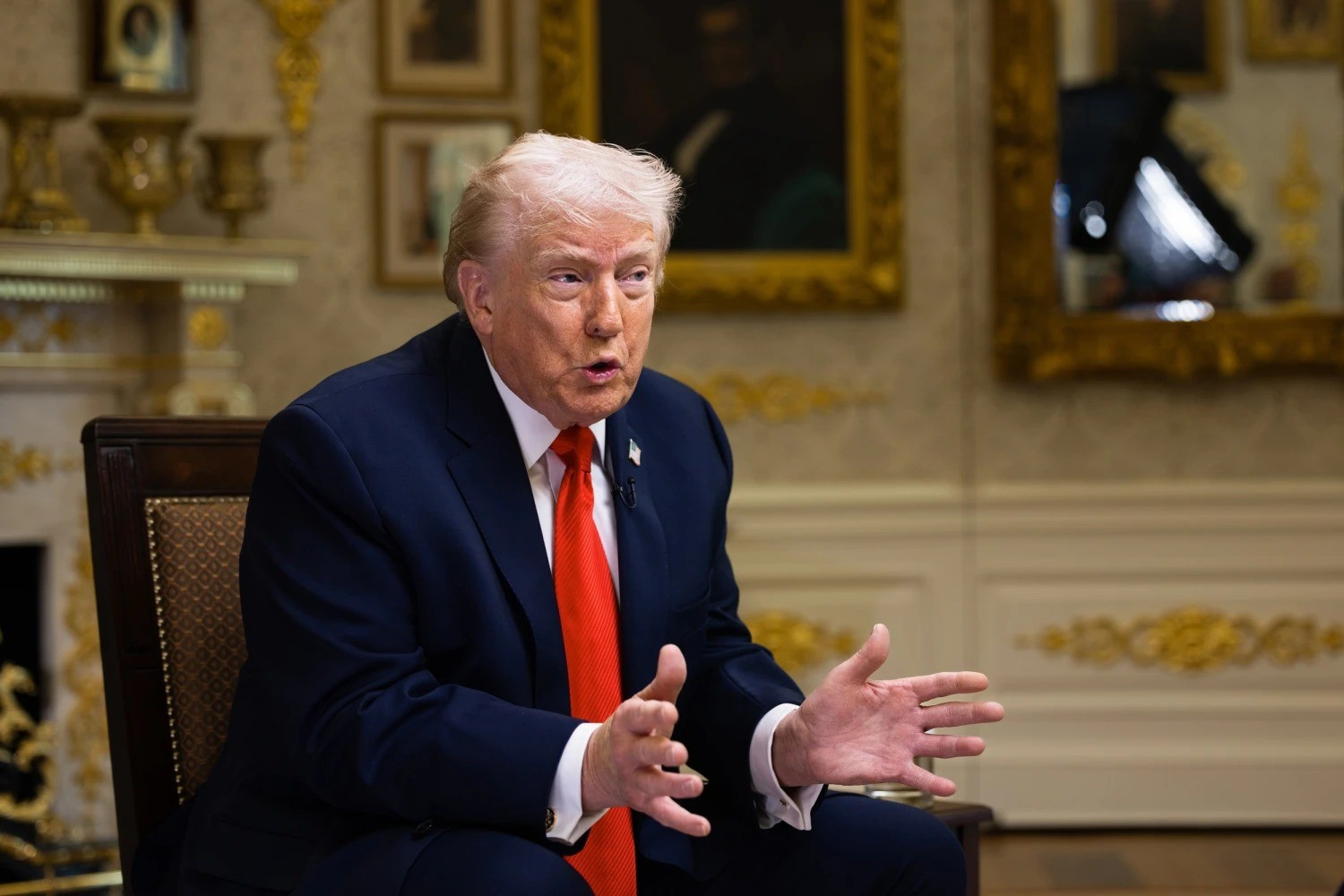
International leaders reportedly issue statements urging calm and respect for democratic institutions.
Within the United States, reactions are portrayed as sharply divided.
Supporters of the removal argue that the system functioned exactly as designed.
Critics question whether a Senate conviction alone should justify enforced removal.
Senate Majority Leader Chuck Schumer, as cited in the video, praises the resilience of constitutional checks and balances.
Senate Minority Leader Mitch McConnell is depicted acknowledging the gravity of the evidence presented during the trial.
The video also references remarks attributed to Chief Justice John Roberts.
He is shown affirming that the Senate acted within its constitutional authority.
Legal analysts caution that such a scenario would permanently alter public understanding of presidential accountability.
They argue that the presidency would no longer be viewed as immune from direct enforcement.
The Secret Service’s role is described as particularly transformative in public perception.
Rather than serving an individual, the agency is portrayed as guarding the constitutional order itself.
The former president, meanwhile, vows to pursue legal challenges.
He continues to assert that he remains the rightful leader, despite the enforcement action.
Courts are expected, within the scenario, to become the next battleground.
The video notes that judicial review could take years.
During that time, the legitimacy of the new administration would depend heavily on governance outcomes.
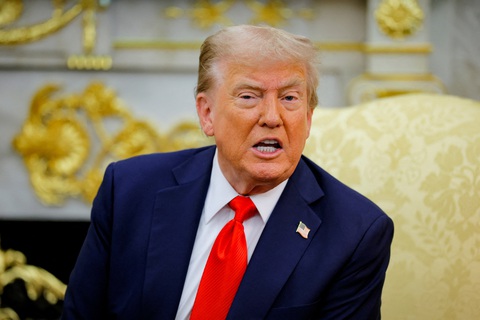
If the administration succeeds, public resistance may fade.
If it fails, skepticism toward the removal could intensify.
The analysis also explores possible resistance within federal agencies.
Military and civil service loyalty is identified as a crucial stabilizing factor.
Experts interviewed stress that adherence to lawful command structures is essential.
The video proposes three long-term outcomes for the nation.
One scenario envisions gradual healing and renewed trust in institutions.
Another predicts prolonged polarization and recurring legitimacy debates.
A third warns of lasting damage to democratic norms if the precedent is abused.
Throughout the presentation, the creators emphasize that such an event would be extraordinary.
They argue that enforced removal should remain a last-resort mechanism.
The overarching message is that constitutional systems are only as strong as the willingness to defend them.
Whether viewed as a cautionary tale or a demonstration of institutional strength, the scenario leaves a lasting impression.
The video concludes by asserting that the American presidency, once imagined as untouchable, would be permanently redefined.

Leave a Reply