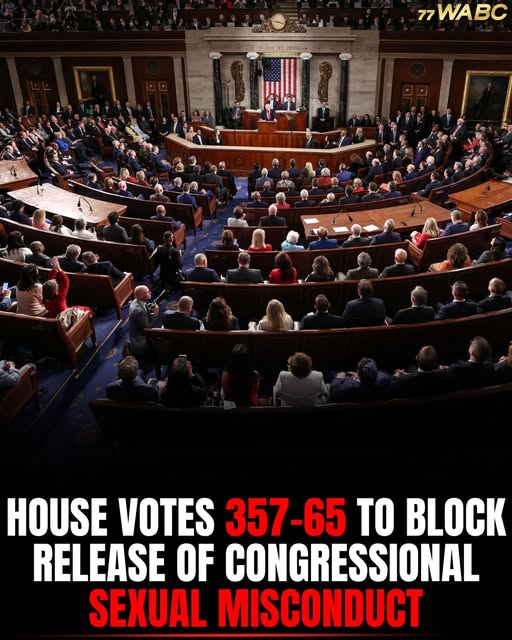
A proposed piece of legislation intended to increase transparency around misconduct allegations involving members of the U.S. Congress has failed to advance, sparking debate among lawmakers, advocacy groups, and political observers.
The bill, which sought to reform how cases of alleged sexual misconduct by congressional staff or lawmakers are reported and handled, was recently blocked during a key procedural stage in Congress. Supporters say the measure would have improved accountability and provided clearer reporting requirements for complaints within the legislative branch.

What the Proposed Bill Intended to Do
The legislation aimed to modify existing procedures under the Congressional accountability framework. Advocates for the bill argued that the current system for handling complaints—especially those involving harassment or misconduct—can be difficult for victims to navigate.
Among the reforms discussed were proposals to increase transparency around settlements involving public funds, improve reporting requirements, and streamline the complaint process for congressional staff members.

Supporters of the bill believed the changes would help ensure that misconduct claims are handled more openly while protecting the rights and privacy of those involved.
Why the Bill Did Not Advance
Despite support from some lawmakers, the bill ultimately failed to gain enough backing to move forward. Critics of the proposal raised concerns about legal complexities, privacy protections, and the potential for sensitive information to be misused or misinterpreted if released publicly.
Some legislators argued that while reforms are necessary, the proposed legislation required further revisions before it could be responsibly implemented.
The procedural vote that blocked the measure effectively halted its progress for the current legislative period, though similar proposals may be reintroduced in the future.

Reaction From Advocacy Groups
Advocacy organizations focused on workplace safety and accountability expressed disappointment over the bill’s failure to advance. Many groups argue that stronger protections and more transparent processes are essential for ensuring that congressional staff feel safe reporting misconduct.
“Transparency and accountability are critical in any workplace, especially in institutions that set national standards,” one policy analyst said in response to the vote.
Broader Conversation About Accountability
The debate surrounding the bill reflects a broader national conversation about workplace conduct and institutional transparency. Over the past several years, various efforts have been made to reform the way misconduct allegations are handled within government institutions.
Even though the latest proposal did not pass, policy experts expect the issue to remain a topic of discussion in Congress.
Looking Ahead
While the bill’s failure represents a setback for supporters, lawmakers from both parties have acknowledged that improving oversight and ensuring safe workplace conditions remain important goals.
Future legislative efforts may attempt to strike a balance between transparency, due process, and privacy protections—factors that will likely shape the next round of proposals addressing misconduct procedures within Congress.

Leave a Reply