
It was an ordinary night in television history—until it became anything but. Millions of viewers tuned in, expecting the usual commentary, interviews, or light-hearted entertainment. What they got instead was pure, unfiltered chaos, orchestrated with elegance, precision, and devastating subtlety by Meryl Streep, one of Hollywood’s most respected and commanding actresses.
The target of the evening? Donald Trump, a man who had long cultivated a public persona as a “genius” and claimed elite status based on his education at the Wharton School. For decades, Trump had woven this narrative into the fabric of his image: television appearances, campaign speeches, and countless public statements all underscored a self-assured intelligence few dared to question.
But tonight, Streep would do what few had ever attempted—she would dismantle it live on national television, using Trump’s own 1970 Wharton aptitude test as her tool.
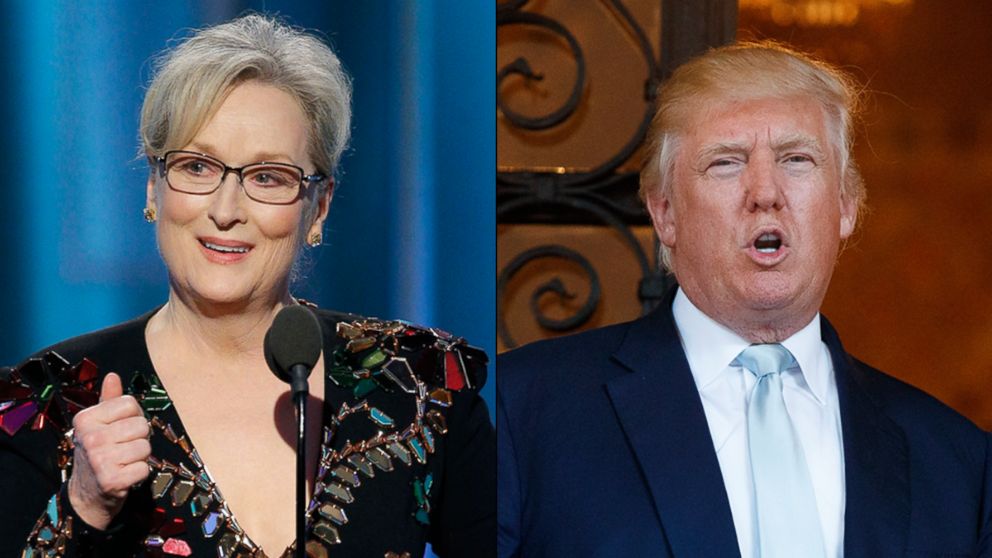
The Stage is Set
Streep appeared with her characteristic poise, stepping into the spotlight with an aura of calm authority. Cameras pivoted to capture every movement, every facial expression. The audience leaned forward instinctively, sensing that the night would be unlike any other. She began by contextualizing the claims: decades of self-proclaimed brilliance, decades of media reinforcement, and decades of Trump himself projecting the image of a “stable genius.”
Then, without ceremony, she began the dissection.
Line by line. Fact by fact. She unpacked the 1970 aptitude test in detail, highlighting inconsistencies, revealing context, and placing each element under a microscope. What was once a document that bolstered Trump’s narrative was now, in Streep’s hands, a mirror reflecting exaggeration, hype, and contradiction.
The reaction in the studio was immediate. First came soft chuckles, almost hesitant. Then laughter spread, growing louder as the numbers and details she revealed collided with the audience’s preconceived notions. Gasps punctuated the room as each revelation landed—like a drumbeat escalating to a crescendo. People leaned forward. Phones came out. Every word seemed sharper than the last.
Behind the Scenes: Trump’s Reaction
While the studio erupted, Trump was reportedly watching from elsewhere, a source of real-time tension that mirrored the on-screen drama. According to insiders, he completely lost his composure. Staffers described him pacing, shouting at aides, demanding answers for what he called an “unapproved attack.” The meltdown reportedly lasted nearly an hour, creating a chaotic backstage environment as assistants scrambled to calm him and contain the situation.
For viewers at home, all they saw was the composed Streep and the unfolding narrative of facts. For those behind the cameras, it was a controlled frenzy, a juxtaposition of calm presentation and real-world hysteria. The tension added an almost cinematic layer to the live broadcast, creating a story within a story—a meta-narrative of power, ego, and evidence clashing in real time.
The Viral Moment
Within minutes, the clip began circulating online. Social media exploded with commentary, reactions, and memes. Millions viewed it in the first hours. The broadcast became a global trending phenomenon, shared across platforms from YouTube to Twitter, Facebook, and Instagram. Analysts praised it as “one of the most sophisticated and devastating live fact-checks ever aired,” while ordinary viewers marveled at the theatrical precision with which Streep dismantled the decades-long image of Trump’s supposed genius.
Her approach was methodical. She never shouted, never insulted, and yet each revelation landed like a hammer blow to a carefully constructed public persona. The numbers, the context, and even the subtle pauses between points told a story that words alone could not—an artful, almost surgical unmasking that left the audience simultaneously entertained and horrified.
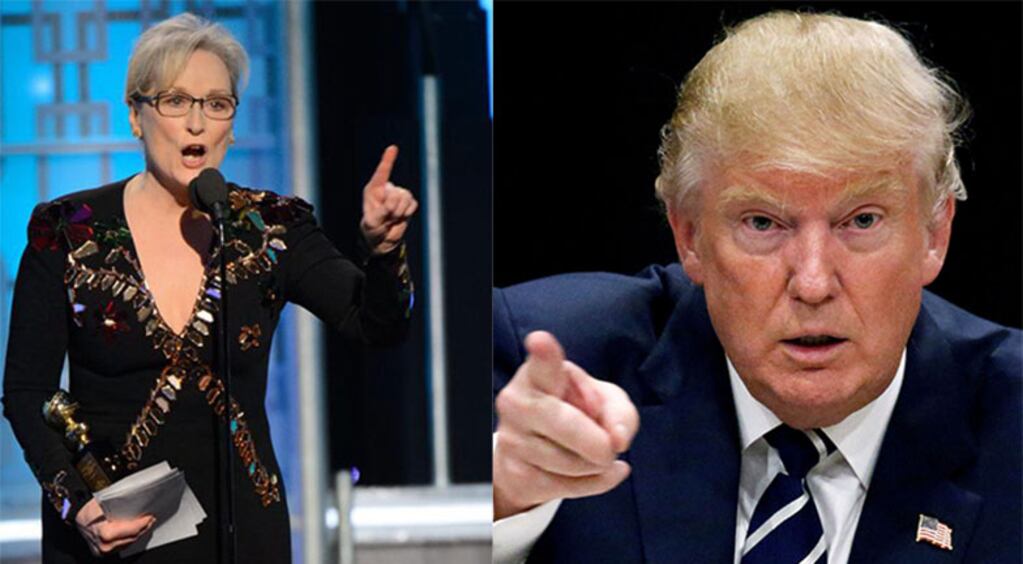
The Impact
What made this broadcast so extraordinary was not just the content, but the way it reframed decades of narrative. For years, Trump had controlled the conversation around his intelligence and education, projecting confidence and authority. Now, the spotlight turned, and evidence replaced assertion, irony replaced bravado, and Streep’s poised delivery underscored every contradiction.
Commentators noted that she had achieved something rarely accomplished: holding a figure of immense influence accountable in real time, with grace and precision, on live television. The effect was both educational and theatrical, a masterclass in communication, timing, and credibility.
Audience Reactions
The live audience, a mix of media personnel, celebrities, and ordinary viewers, experienced the segment as a rollercoaster of emotions. Laughter, surprise, incredulity, and applause mingled in the studio. Phones captured every expression; social media exploded. Viewers were fascinated not just by the content but by the performance of power and control, watching a public figure’s claims unravel under the weight of evidence.
The viral clip sparked debates worldwide about truth, image management, and the performative nature of authority. How long could anyone maintain a public narrative if it could be dissected so methodically? What does it mean when charisma and bravado are exposed to facts and data in such a transparent, unrelenting way?
Lessons From the Broadcast
Streep’s segment demonstrated that poise, preparation, and clarity can wield more power than volume or aggression. In a media landscape saturated with spectacle, her approach reminded the audience that evidence is persuasive, timing is crucial, and credibility trumps theatrics.
She exposed the difference between self-proclaimed genius and verifiable accomplishment, inviting millions to reconsider long-held assumptions about a public figure who had dominated headlines for decades. It was accountability as performance art, delivered with elegance, precision, and impact.
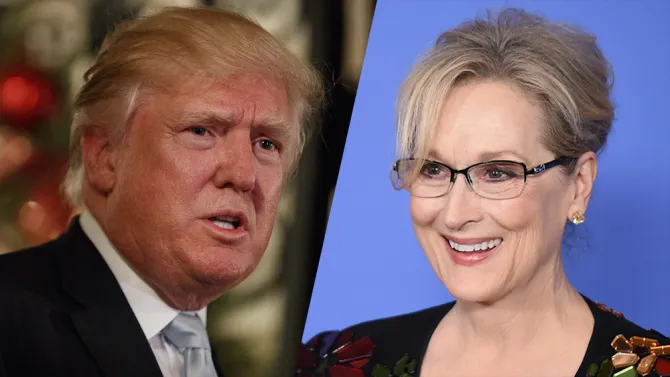
The Lasting Impression
Even after the cameras stopped rolling, the broadcast’s influence rippled across the media and public consciousness. Clips circulated for days, analysis ensued, and millions continued to dissect every moment. Trump’s claimed “genius” had been publicly scrutinized, his narrative challenged in a way that would not soon fade. Streep, with her calm authority, reminded the world that truth does not need theatrics—it only needs clarity, preparation, and the courage to present facts boldly.
The broadcast will remain a case study in media, communication, and public accountability. For the audience, it was entertainment, revelation, and education rolled into one, a live demonstration that even the most controlled public image can be challenged with precision and grace.
Meryl Streep had done more than question a claim—she had exposed a carefully constructed image, challenged ego, and captivated the world, all in a single live segment.